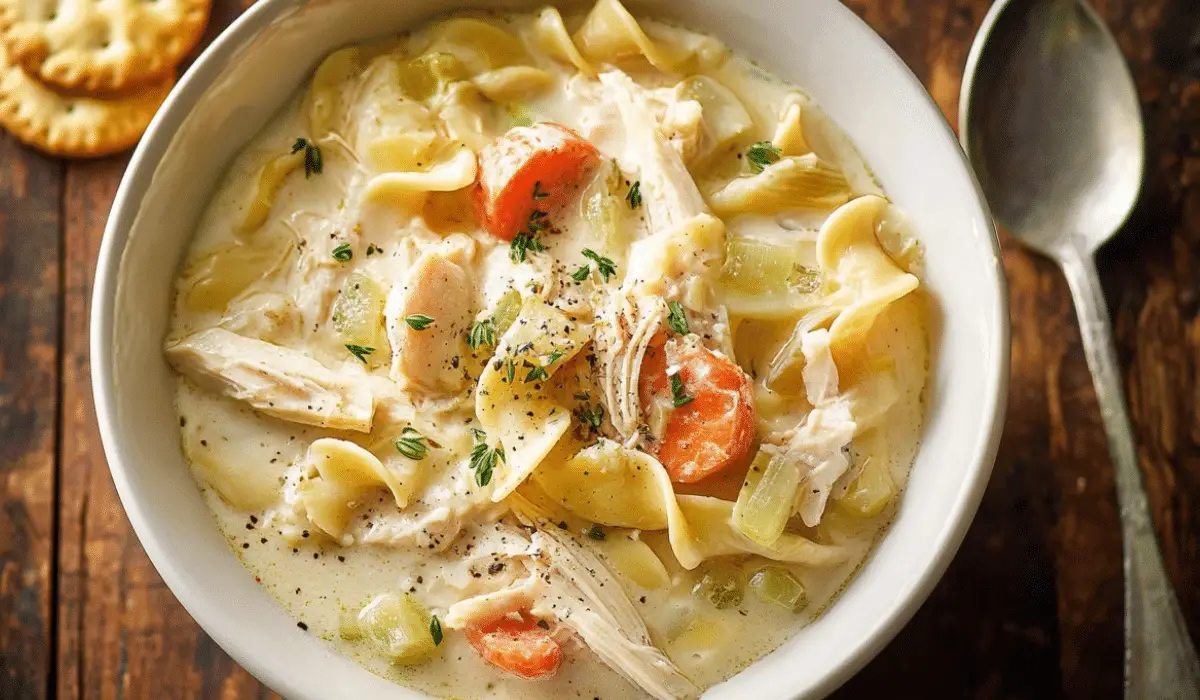
Unlock the Secrets to Creamy Chicken Noodle Soup Perfection
It's more than just a meal; it's a warm hug in a bowl, a reliable remedy for a chilly day, and a nostalgic trip back to childhood. We're talking about the beloved classic: creamy chicken noodle soup. While many recipes offer a version of this comforting dish, achieving true *perfection* – that ideal balance of rich, savory broth, tender chicken, perfectly cooked noodles, and a luxuriously velvety texture – requires a bit of understanding and a few insider tips. Forget bland, watery imitations; prepare to unlock the secrets to a creamy chicken noodle soup that will leave you utterly satisfied and craving more. This article will guide you through every essential step, ensuring your next bowl isn't just good, but utterly sublime.The Soul of the Soup: Building a Flavorful Broth Base
A phenomenal creamy chicken noodle soup hinges on a deeply flavorful broth. This isn't merely a liquid; it's the foundation upon which all other flavors are built. Skimping here means a soup that lacks depth and character.Homemade vs. Store-Bought Broth
- Homemade is Gold: If time allows, making your own chicken broth is unparalleled. It offers a cleaner, richer flavor profile that store-bought versions simply can't match. You control the sodium, the ingredients, and the depth of flavor. A good chicken carcass, some mirepoix, herbs, and a long, slow simmer will yield liquid gold.
- Upgrading Store-Bought: Don't despair if homemade isn't an option. Opt for high-quality, low-sodium chicken broth or stock. To boost its flavor, simmer it with a few extra aromatics for 20-30 minutes before proceeding with your recipe. Think a halved onion, a few carrot chunks, a celery stalk, garlic cloves, and a bay leaf. Strain them out before adding other ingredients.
The Power of Aromatics
No matter your broth choice, aromatics are non-negotiable. The classic trio of mirepoix – diced onions, carrots, and celery – forms the aromatic backbone of almost any great soup. Sautéing these gently in a little butter or olive oil until softened and fragrant (but not browned) releases their sweet, earthy flavors, which infuse into the broth. Don't forget garlic; add it in the last minute of sautéing to prevent burning, which can turn its sweet pungency bitter.
Herbs also play a crucial role. Fresh thyme, rosemary, or a bay leaf added early in the cooking process will lend a subtle herbaceous note that deepens the overall flavor. Just remember to remove bay leaves before serving.
Mastering the Creaminess Factor: Achieving that Velvety Texture
This is the defining characteristic of a creamy chicken noodle soup. Achieving that perfect, luscious texture without it being too thick, too thin, or curdled is an art.Techniques for Velvety Richness
- The Roux Method: This is a classic for a reason. A roux (equal parts butter and flour cooked together) forms a stable thickening agent that also adds a nutty depth of flavor.
- Melt butter in your soup pot.
- Whisk in an equal amount of all-purpose flour to create a paste.
- Cook the roux for 1-2 minutes, stirring constantly, to cook out the raw flour taste.
- Gradually whisk in warm broth, a little at a time, to create a smooth, lump-free base before adding the rest.
- Heavy Cream or Half-and-Half: For an undeniably rich and luxurious finish, a generous splash of heavy cream or half-and-half added at the end is key.
- When to Add: Always add dairy at the *very end* of the cooking process, after simmering has finished. High heat can cause cream to curdle. Gently warm it through, but do not bring the soup to a rolling boil once dairy is added.
- Temperature Matters: For extra insurance against curdling, temper your cream. Before adding it to the soup, whisk a small amount of hot broth into your cold cream. This gradually raises the cream's temperature, reducing the shock when it hits the hot soup.
- Milk or Evaporated Milk: For a lighter creaminess or if you prefer a less rich soup, whole milk or evaporated milk can be used. Evaporated milk, being more stable, is less prone to curdling.
- Cream Cheese or Sour Cream (Optional): For a tangy, thicker creaminess, a few tablespoons of softened cream cheese or sour cream can be whisked in at the end. Again, ensure the soup isn't boiling, and whisk thoroughly until smooth.
The luscious creaminess is a big part of why creamy chicken noodle soup is ultimate comfort food. It coats the palate and delivers a comforting warmth that is hard to resist.
The Perfect Pairing: Tender Chicken and Al Dente Noodles
Even with the best broth and the creamiest texture, your creamy chicken noodle soup wouldn't be complete without its namesake stars: chicken and noodles. Getting these just right is crucial for a balanced and enjoyable experience.Tender, Flavorful Chicken
The chicken should be tender, moist, and easily shredded. Overcooked, dry chicken is a common pitfall.
- Cooking Methods:
- Poaching: The simplest method for perfectly tender chicken breasts or thighs. Submerge boneless, skinless chicken in broth or water, bring to a gentle simmer, then reduce heat and cook until just cooked through (internal temperature of 165°F/74°C). This usually takes 10-15 minutes for breasts, a bit longer for thighs. Let it cool slightly before shredding.
- Rotisserie Chicken: A fantastic shortcut! A pre-cooked rotisserie chicken provides instant, flavorful, and tender meat. Remove the skin and bones, then shred the meat.
- Cooking in the Soup: If using bone-in, skin-on chicken pieces, you can cook them directly in the broth, then remove, cool, shred, and return the meat to the soup. This also adds flavor to your broth.
- Shredding vs. Dicing: For traditional creamy chicken noodle soup, shredded chicken is often preferred. Its irregular texture allows it to meld beautifully with the noodles and broth.
Noodles Done Right: Avoiding the Mush
The noodles in your creamy chicken noodle soup should be tender but still have a slight bite – *al dente*. Soggy, swollen noodles are a tragedy.
- Choosing the Right Noodle: Wide egg noodles are the classic choice, offering a comforting texture that holds up well. Medium or thin egg noodles also work.
- When to Add: This is critical. Noodles absorb liquid and continue to cook even after the heat is off. Add them only in the last 10-15 minutes of cooking, or according to package directions, ensuring they are cooked just until tender.
- Avoid Overcooking: If you plan to have leftovers, consider cooking the noodles separately and adding them to individual bowls just before serving. This prevents them from soaking up all the broth and becoming mushy when reheated.
- Rinsing (Optional): Some chefs rinse cooked noodles with cold water to stop the cooking process and remove excess starch. If you cook them directly in the soup, the starch helps thicken the broth slightly.
Elevating Your Bowl: Finishing Touches and Customizations
Once you've mastered the foundational elements, a few thoughtful additions can transform your creamy chicken noodle soup from excellent to extraordinary.Herbs and Zest
- Fresh Herbs: A sprinkle of fresh parsley or dill, finely chopped, added just before serving, provides a burst of fresh flavor and vibrant color.
- A Hint of Acid: A squeeze of fresh lemon juice at the very end brightens all the flavors and prevents the soup from tasting too heavy.
Subtle Spices
Don't be afraid to experiment with a tiny pinch of unexpected spices. A touch of white pepper adds a clean heat, while a whisper of nutmeg can enhance the creamy richness beautifully, without being overpowering.
Serving Suggestions
Serve your perfect creamy chicken noodle soup with crusty bread for dipping, or simple crackers. A side salad can also provide a refreshing counterpoint to the richness of the soup.
Once you master these techniques, you'll be ready for your easy creamy chicken noodle soup: your go-to recipe.
Common Pitfalls to Avoid
- Too Salty: Always use low-sodium broth and season gradually. It's easier to add salt than to remove it. A raw potato simmered in the soup for 15-20 minutes can help absorb some excess salt.
- Soup is Too Thin: If you skipped the roux and your soup is too thin, you can make a cornstarch slurry (1 tablespoon cornstarch dissolved in 2 tablespoons cold water) and whisk it into the simmering soup until thickened.
- Soup is Too Thick: Simply add a little more warmed chicken broth until you reach your desired consistency.
- Curdled Cream: This often happens from adding cold cream to boiling soup. Remember to temper your cream and add it off the heat or at a gentle simmer.
